
Dear Fa(r)ther
Nine poets. Different experiences of fatherhood. A spoken-word album curated and funded by Vic’Adex.
Fatherhood does not arrive as one story.
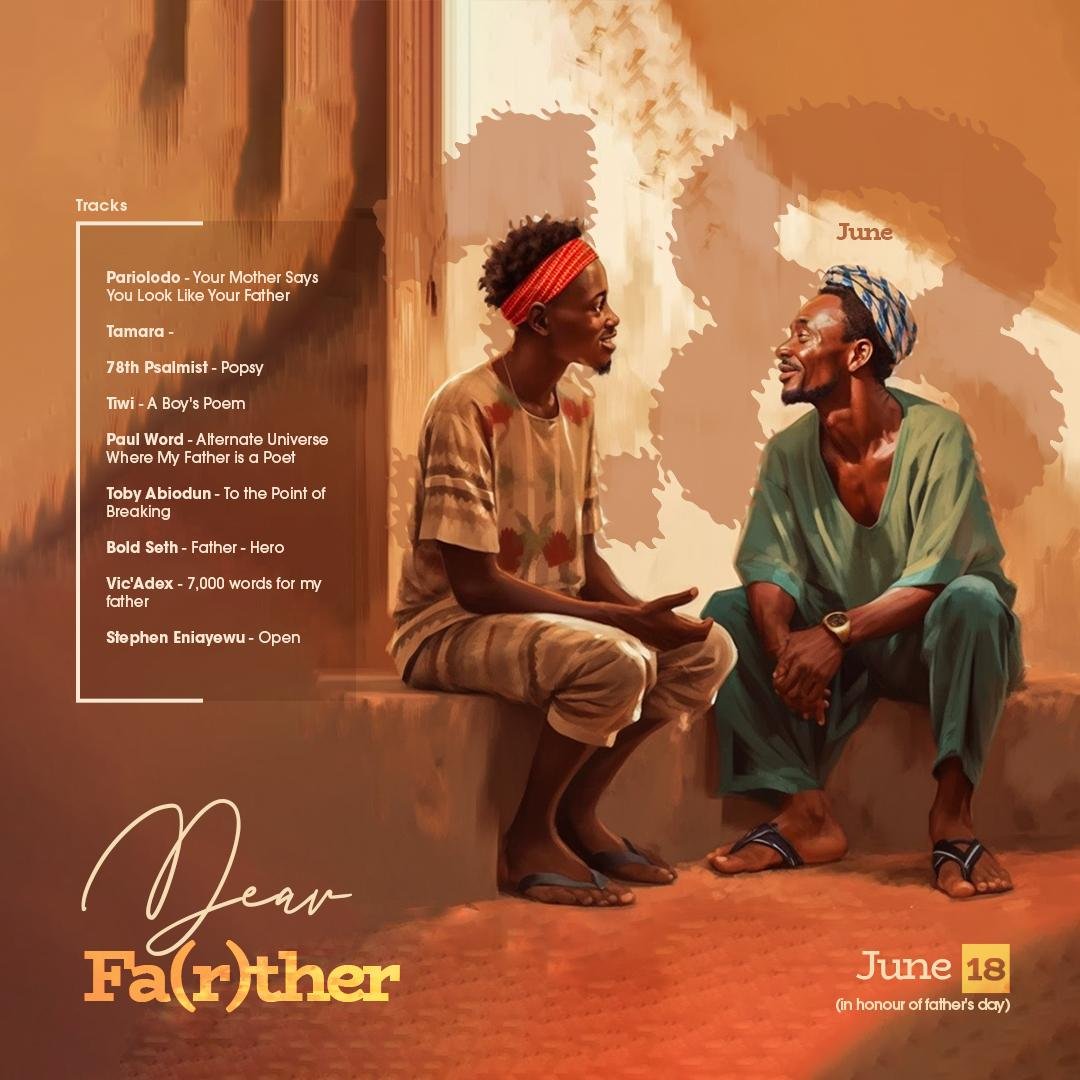
Curated and funded by Vic’Adex, Dear Fa(r)ther brings nine poets across Abuja, Lagos and Ogbomoso together to explore different experiences of fatherhood. Released by 60 Seconds Poetry on Father’s Day, 18 June 2023, its eleven tracks move through anger, mediation and resolution.
Some poems address fathers who wounded or disappeared. Others recognise provision, duty, sacrifice and love. The album makes room for these experiences without asking them to arrive at the same conclusion.
Vic’Adex’s three-part 7,000 Words for My Father provides the organising sequence: Anger, Mediation and Resolution.
A conversation still unfolding
A personal note from Vic’Adex, curator and funder
When I shared Is Dad God? on Facebook in the early 2010s, the reception was polarising. I was speaking my truth. It made many people uncomfortable; a few could relate. The years passed, but the old sentiments did not die easily.
I curated this project to capture different experiences of fatherhood. Every Father’s Day, old emotions can return, and social media becomes a battleground. The deadbeat dad is one story, but it is not the only story. We can understand our fathers without necessarily excusing them. A boy’s need for fatherly presence, care and guidance remains crucial.
My poem and this project are a continual reconciliation of how I felt, what I knew, and what I know now, especially about myself and my own shortcomings. 7,000 Words for My Father also appears in my collection Poetry Has All My Pain. Read alongside Is Dad God? and the later epilogue, it records a changing understanding rather than a settled position.
The conversation still hasn’t ended. It is continuing, and hopefully, one day, I will write a “good father poem”.
What we inherit without consent
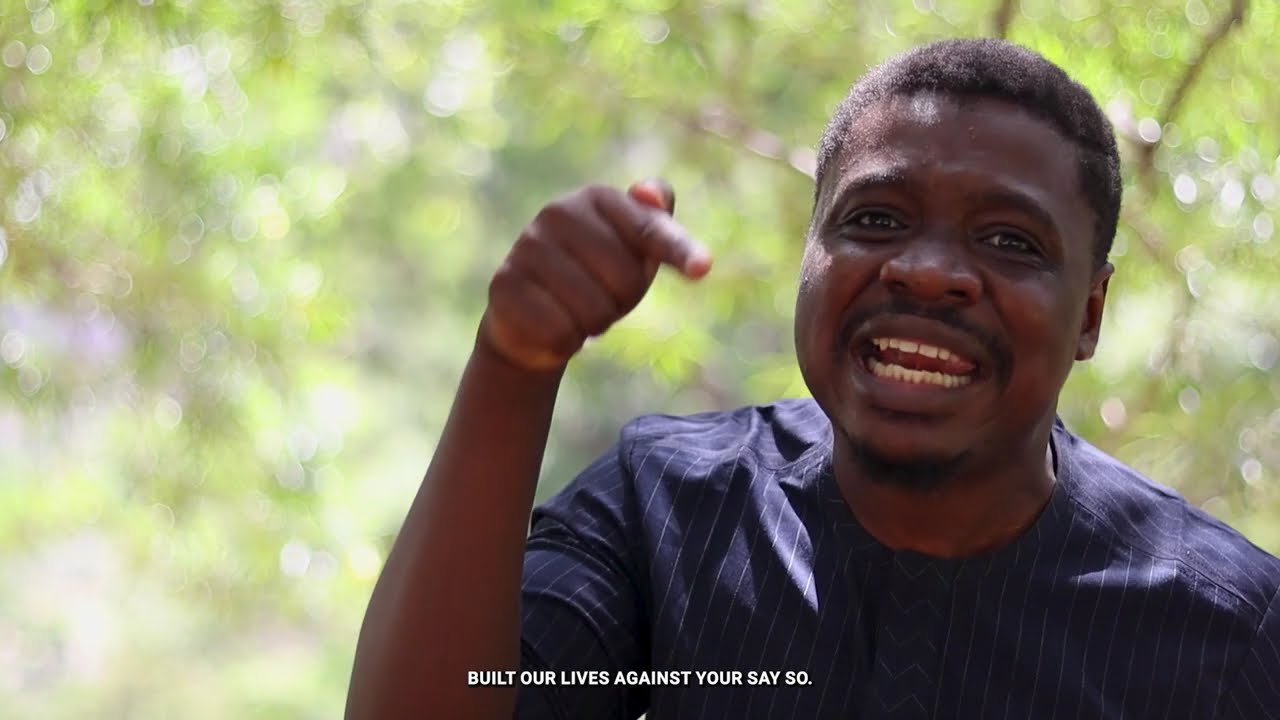
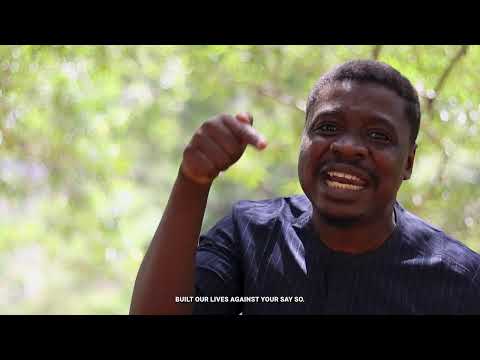
Anger begins where inherited authority becomes fear, silence and emotional distance. Vic’Adex speaks from the immediacy of an injured son. Tiwistar finds poetry becoming the room where a boy can finally speak. Stephen Eniayewu turns the question inward, recognising numbness as an inheritance that future fatherhood must interrupt.
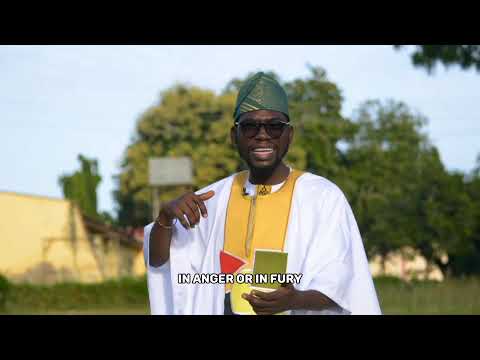
Did fathers learn how to father?
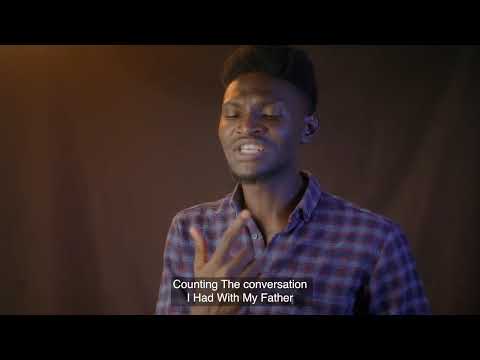
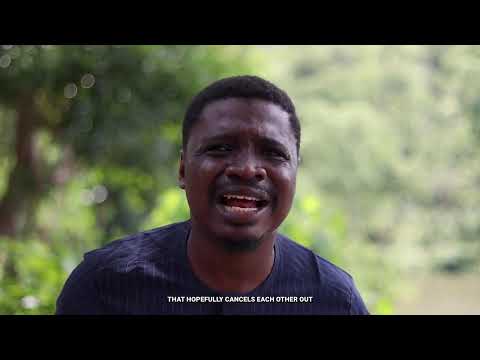
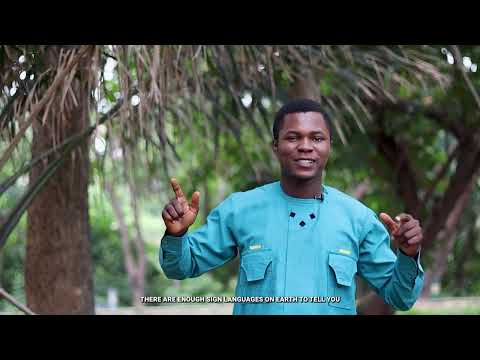
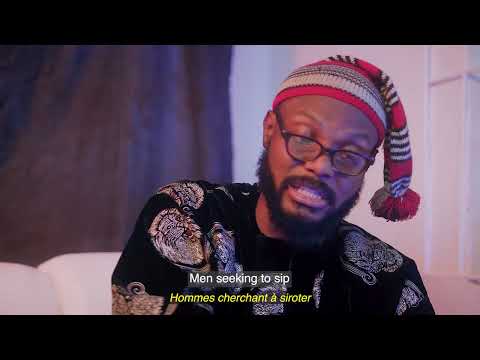
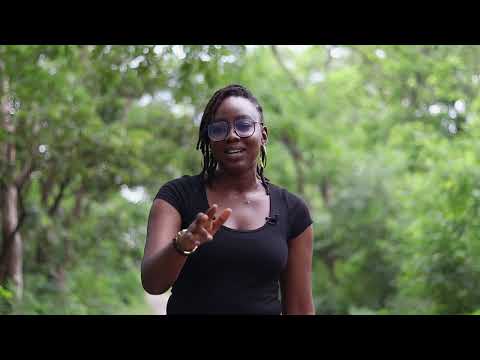
Mediation widens the frame. Fathers can be absent through failure, but also through work, war, duty, death and the burdens attached to masculinity. Toby Abiodun examines men pushed to the point of breaking. 78th Psalmist remembers fathers lost to service. Paul Word imagines paternal protection as fear of passing an artist’s wounds to a son. Tamara Dogubo makes presence practical: a father figure is a father who figures out how to be one.
What we choose to carry forward
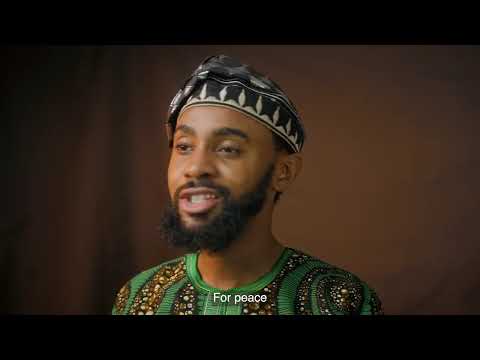
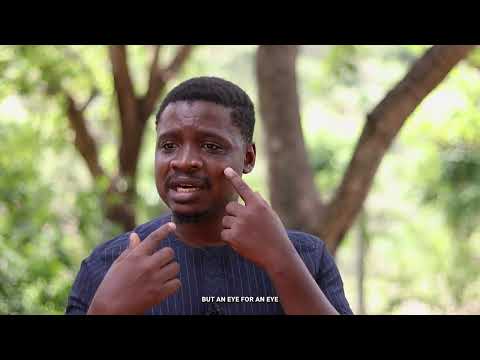
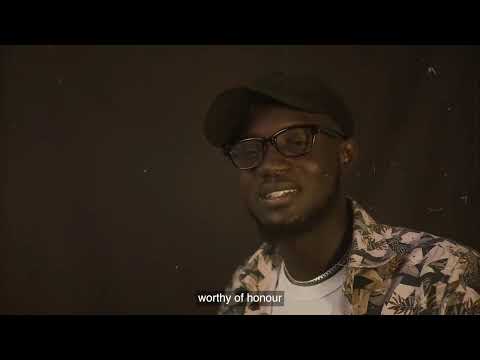
Resolution is not a promise that every relationship will be repaired. It is the choice to interrupt inherited harm. Bold Seth names the disciplines he hopes to carry into fatherhood. Pariolodo moves through resemblance, absence and grief towards the urgency of giving fathers their flowers while they can receive them. Vic’Adex arrives at forgiveness without pretending that forgiveness erases consequence.

Early Reception
Victor has expressed the words so many wish they could but can’t.7,000 Words for My Father: Anger
Poison water might end your life, but it quenches your thirst first.A Boy’s Poem
It got me thinking and thanking all at once.Popsy
Poetry finds you when you need it the most.Dusty Pictures
I can’t unsee this poem.Your Mother Says You Look Like Your Father
Victor has expressed the words so many wish they could but can’t.7,000 Words for My Father: Anger
Poison water might end your life, but it quenches your thirst first.A Boy’s Poem
It got me thinking and thanking all at once.Popsy
Poetry finds you when you need it the most.Dusty Pictures
I can’t unsee this poem.Your Mother Says You Look Like Your Father
Contributors
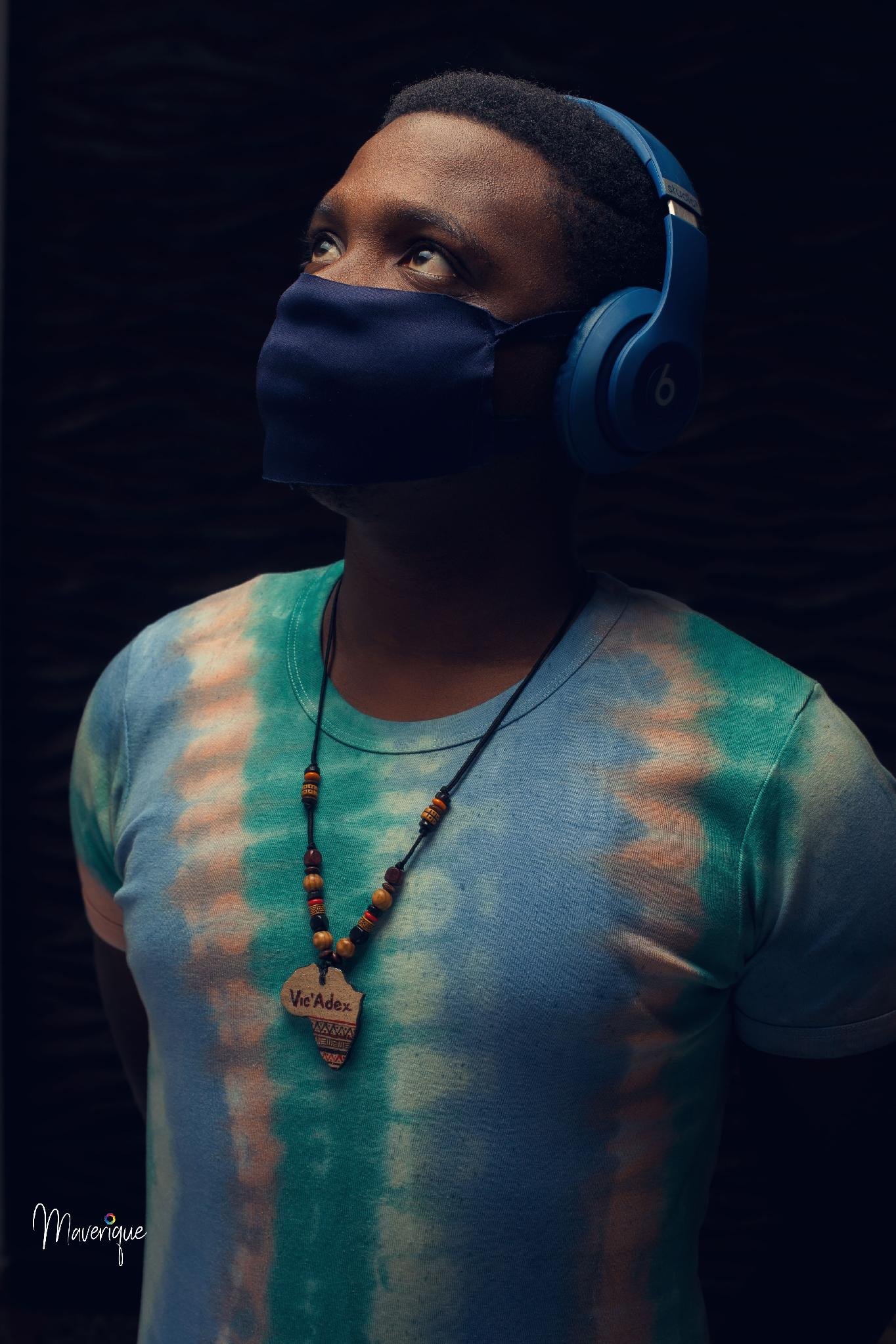
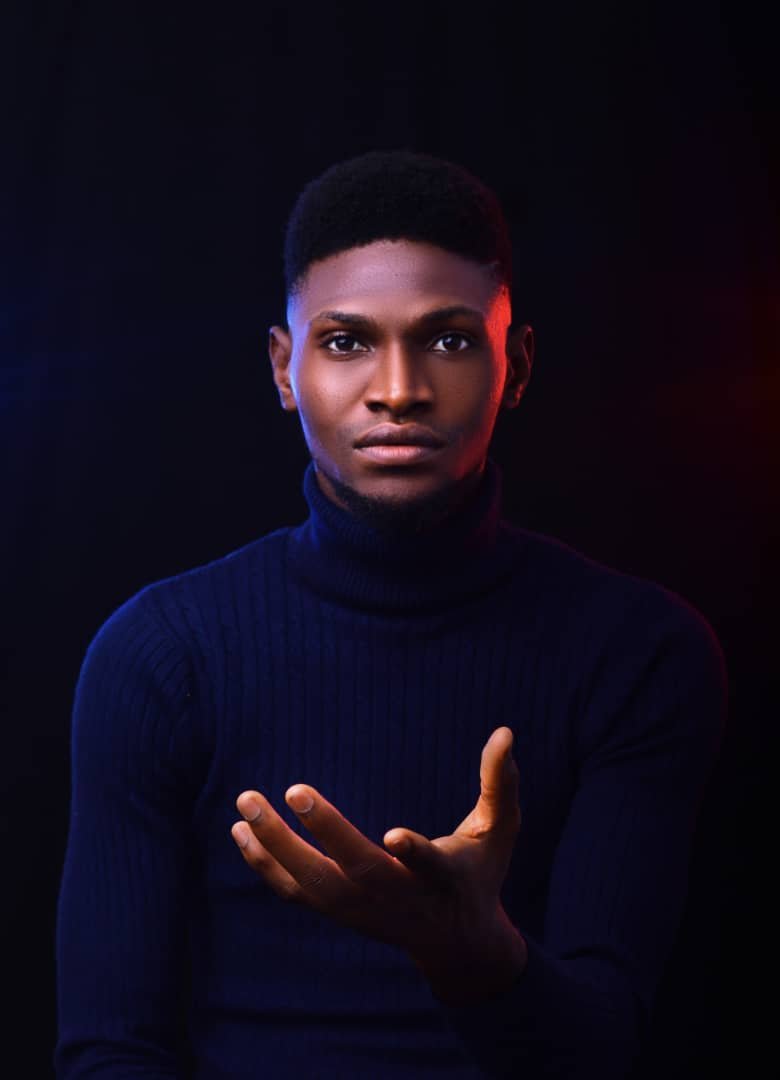
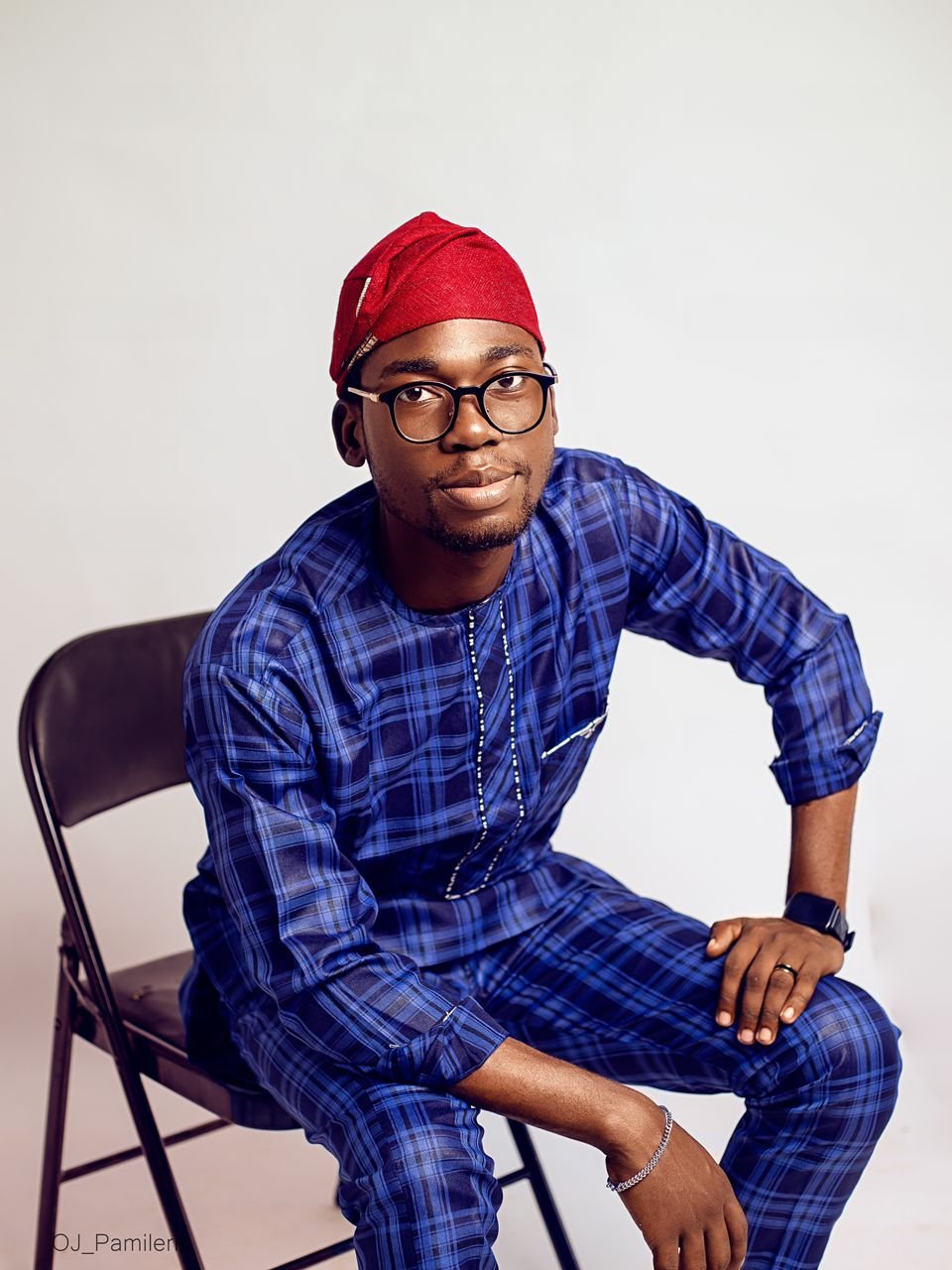
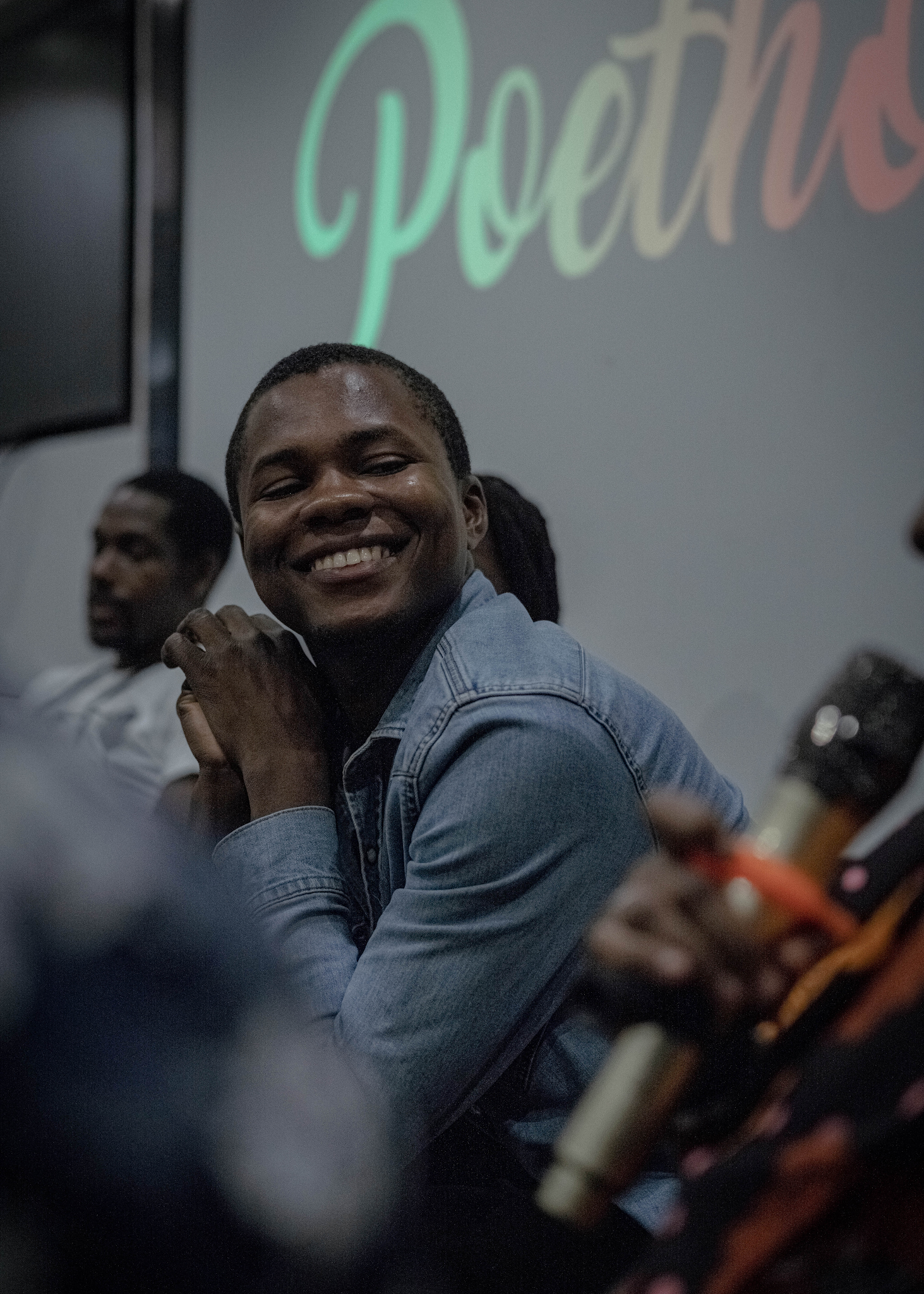
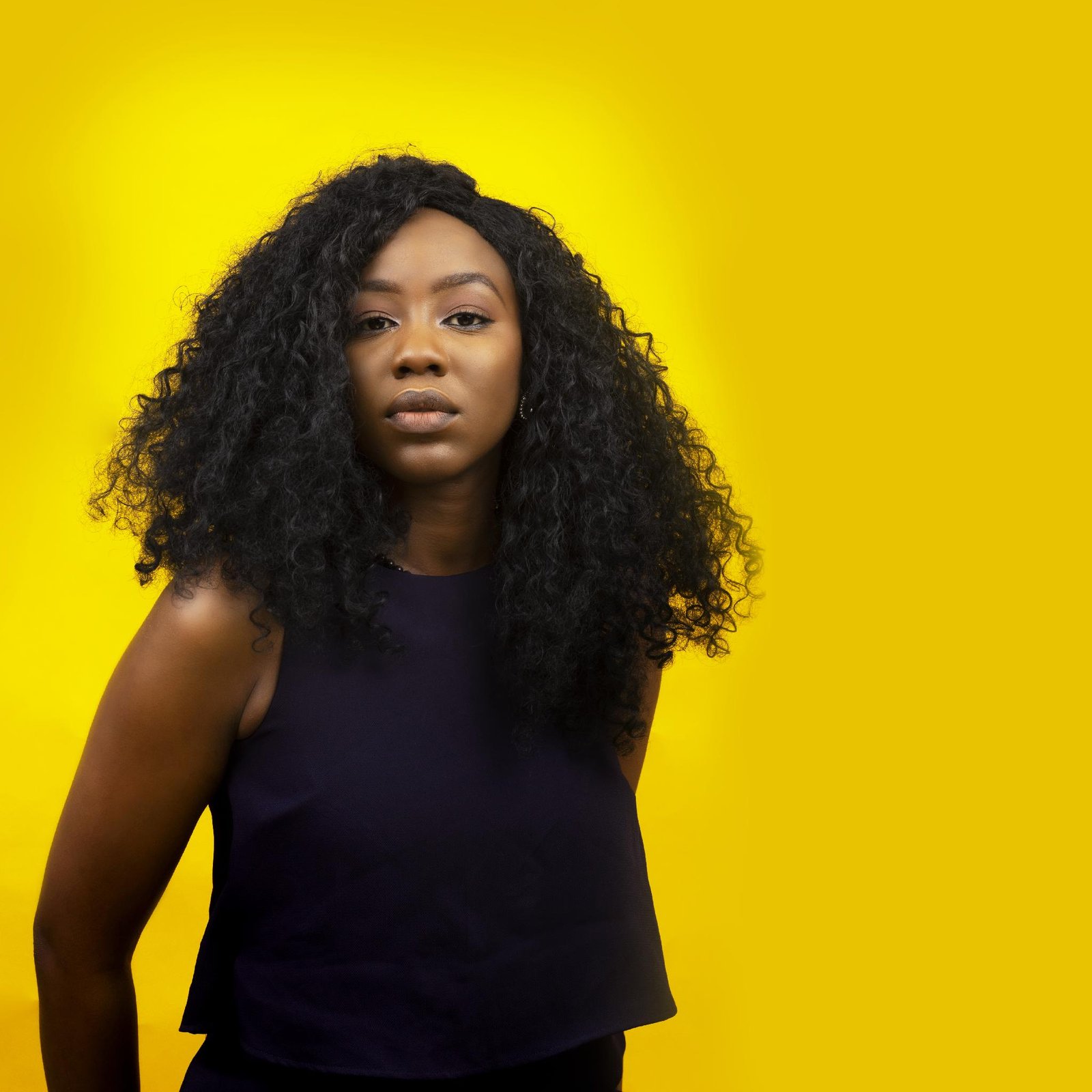
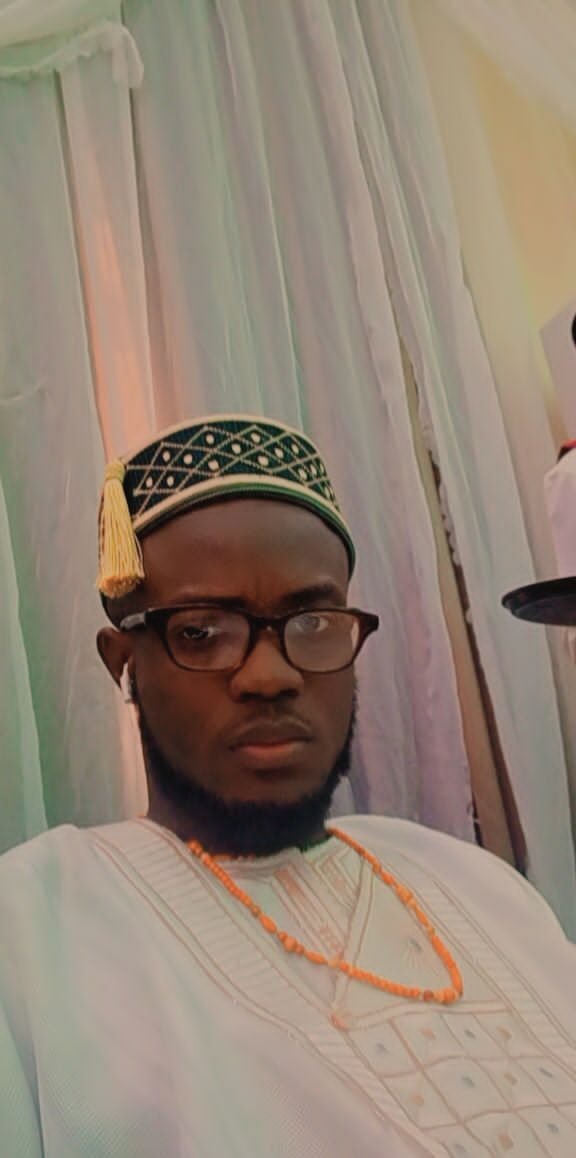
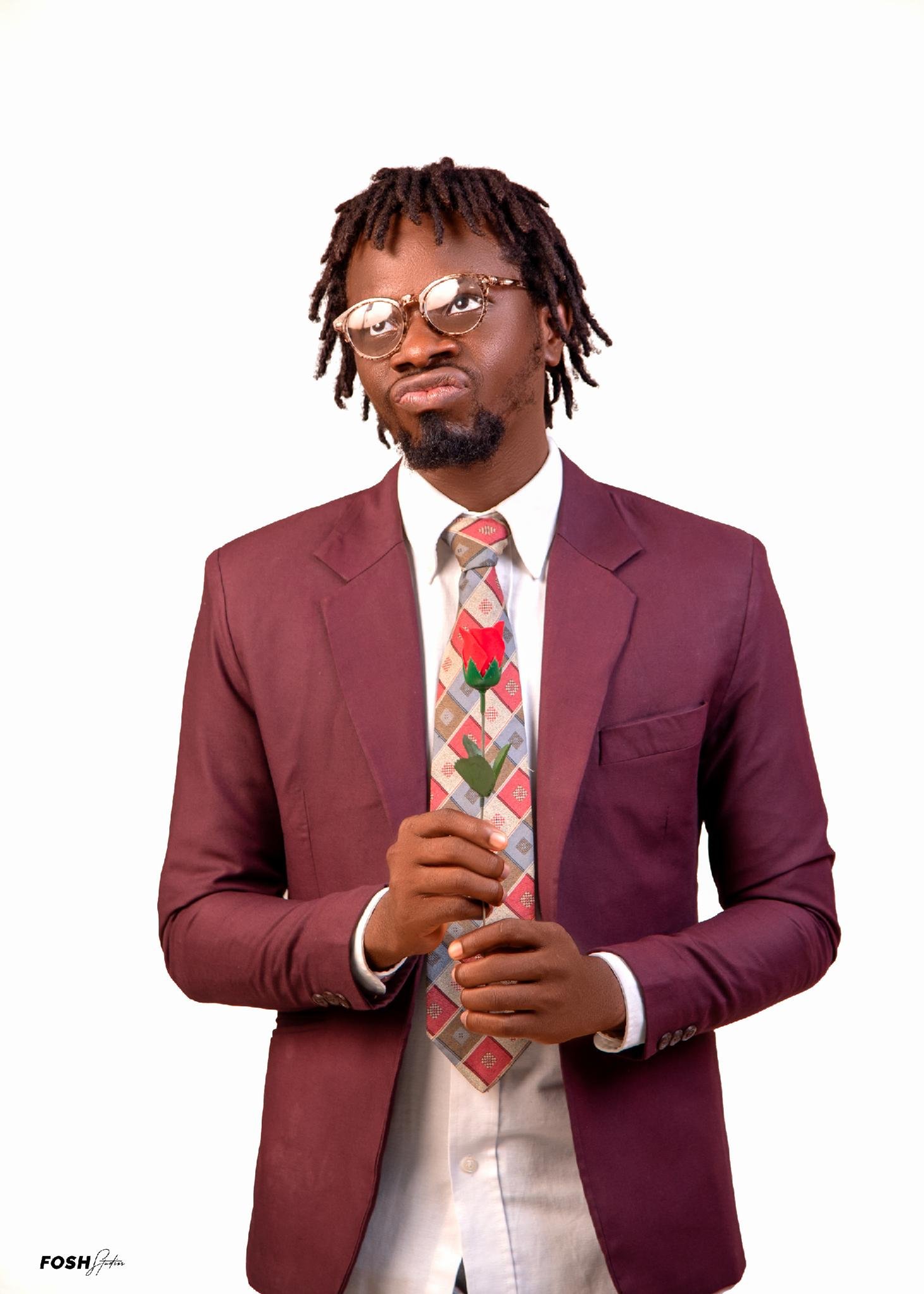
Nine poets across eleven tracks, moving through anger, mediation and resolution.


The archive continued after the album.
Two years later, Vic’Adex returned to the father poem with the further clarity of adulthood. The companion essay does not replace the anthology. It records what happened after its anger, mediation and resolution.