
Nothing About Me Was Wasted: Who Gets to Decide What You Are Worth?
A review of Folawe Mustapha’s debut poetry collection
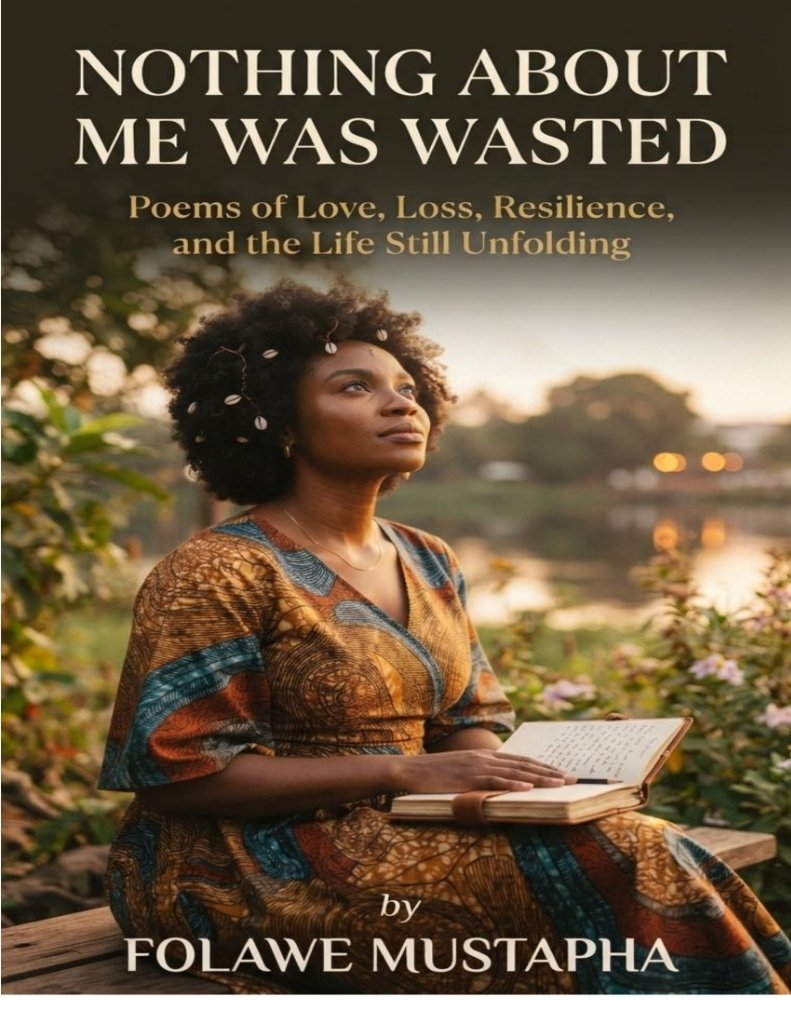
“A response can take a whole afternoon to cross the distance between us.”
That image, from Folawe Mustapha’s Nothing About Me Was Wasted, stayed with me because of how ordinary it is. In The Distance That Had a Pulse, loneliness does not come from an empty room. It comes from sitting beside someone whose presence never quite reaches you. The lover is there, sometimes even tender, but the speaker has begun counting affection and becoming fluent in excuses for someone she loves.
Eventually, she stops measuring the distance between herself and the lover and measures instead the distance between who she has become and who she was before she began begging to feel chosen.
That word, chosen, quietly organises much of the collection.
The speaker wants to be chosen by a lover, an employer, a foreign country, an opportunity and, eventually, herself.
“I mistook absence
The Empty Chair
for a verdict.
It was only absence.”
The Empty Chair names the psychological consequence. Another person’s hesitation becomes a measurement of the self. The speaker remembers trimming herself to fit, becoming quieter and needing less.
The collection repeatedly returns to this confusion between recognition and value. It becomes particularly interesting when the poems leave romantic relationships and enter migration and work. In My Name in a Foreign Place, Folawe gives us one of the book’s strongest images:
“I carried my qualifications
My Name in a Foreign Place
across a border
and discovered
that paper can become lighter
when it travels.”
Nothing about the qualification itself has changed. Yet suddenly experience has an accent, references require explanation and confidence needs translation. The poem captures one of migration’s peculiar humiliations: you can cross a border carrying everything you know and still find yourself reevaluated on the other side.
The bureaucratic language of modern life keeps entering the speaker’s emotional life. She is repeatedly assessed, approved, rejected or denied. The danger is eventually believing that these systems are not merely judging an application or circumstance, but issuing a verdict on the person.
That is why No More Case becomes important near the end of the collection. The speaker once believed even her boundaries required evidence. She stored dates, conversations and disappointments like documents in a folder. Eventually, she rejects the courtroom. She does not need a reference number to know something hurts. She does not need a panel to approve her decision to leave. The woman who spends much of the collection presenting herself for assessment slowly begins to withdraw that authority from everybody else.
A second strand emerges from Folawe’s professional life. In What Follows Me Home, the poem considers what remains after a working day spent listening to other people’s difficulties. Confidential details stay where they belong, but the human residue does not always honour professional boundaries.
“I cannot become
What Follows Me Home
the container
for every sorrow
that passes through me.”
It is a sharp insight into caring professions. Confidentiality can protect information. It cannot always protect the listener.
The collection has some strong lines where concrete experience produces its own language.
“Paper can become lighter when it travels.” “Bargaining with ghosts.” “A response can take a whole afternoon to cross the distance between us.”
These lines are simple without being simplistic. They discover language for an experience.
Too often, however, the poems do not trust those discoveries enough. An image makes its point, then the poem explains it. The explanation becomes an aphorism, and sometimes the aphorism is explained again.
The language can also slip into the familiar vocabulary of contemporary motivation: keep going, try again, your own road, another knock, not behind, not finished. Simple language can carry enormous depth. The challenge is that the experiences in this book are often more complicated than the arguments made about them.
Migration, failed relationships, professional exhaustion, repeated rejection and financial uncertainty should produce contradiction. Yet the poems frequently resolve them rather neatly. Rejection is not a diagnosis. A failed attempt prepares the next. A closed door may simply not be yours. A boundary becomes valid once you choose yourself.
You can know that rejection does not determine your worth and still desperately want to be chosen. An immigrant can feel gratitude and resentment in the same afternoon. A caregiver can understand professional boundaries and still carry one person’s story home.
Nothing About Me Was Wasted is deeply invested in hope. The future is repeatedly imagined as capable of redeeming the present. But some doors remain closed. Some losses are never recovered and some suffering produces no wisdom worth the price paid for it.
And that brings the collection back to its title. Nothing about me was wasted is not the same claim as nothing that happened to me was wasteful.
Bad relationships do not become good because they taught boundaries. Rejection does not become justice because it produced resilience. Pain does not need to become necessary before survival can become meaningful.
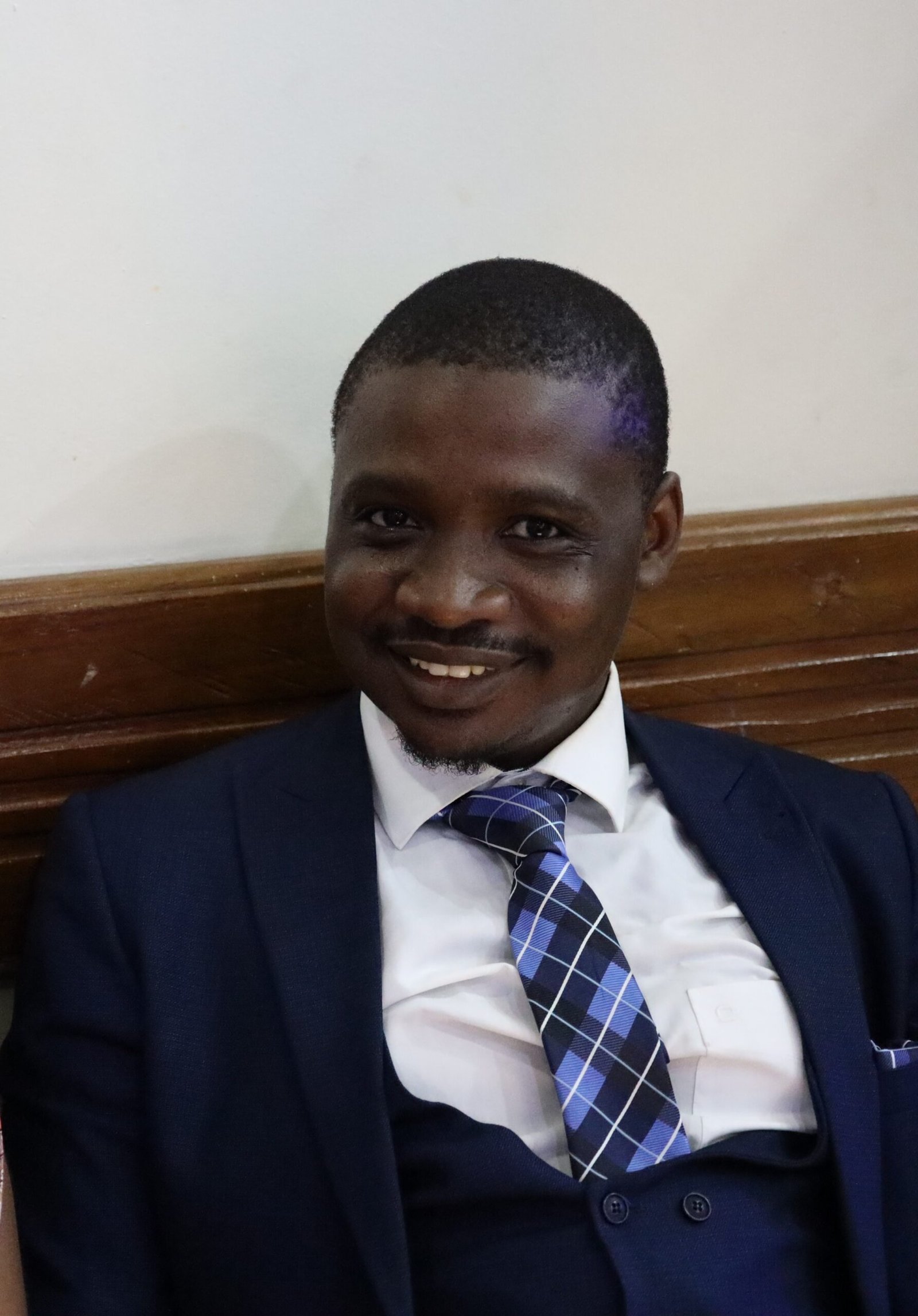
Vic’Adex
Vic’Adex is the literary and cultural identity of Adetimilehin Inioluwa Victor, a Nigerian author and strategist whose work across poetry, essays, performance and cultural projects explores memory, identity, faith, power, heritage and the changing conditions of African life. He is the founder of 60 Seconds Poetry and Open Mic Ogbomoso. Vic’Adex is one voice working across many forms.